Move-Out Inspections: Resolving Rental Disputes in 2026
TL;DR:
- A move-out inspection creates a documented record of a property’s condition to prevent security deposit disputes. Conducting inspections before the tenant leaves encourages repairs and provides clear evidence, reducing the risk of unfair charges. Proper documentation and timely communication are essential for resolving disagreements and protecting both landlords and tenants.
A move-out inspection is a formal, documented comparison of a rental property’s condition at the end of a tenancy against its condition at move-in, and it is the single most effective tool for resolving security deposit disputes. The industry term is “move-out inspection” or “final walkthrough,” and both landlords and tenants benefit when it is done right. The role of move-out inspection in disputes goes beyond checking for damage. It creates an objective, timestamped record that either supports deposit deductions or protects tenants from unfair charges. Without this record, both sides are arguing from memory, and memory loses in court.
How move-out inspections prevent security deposit disputes
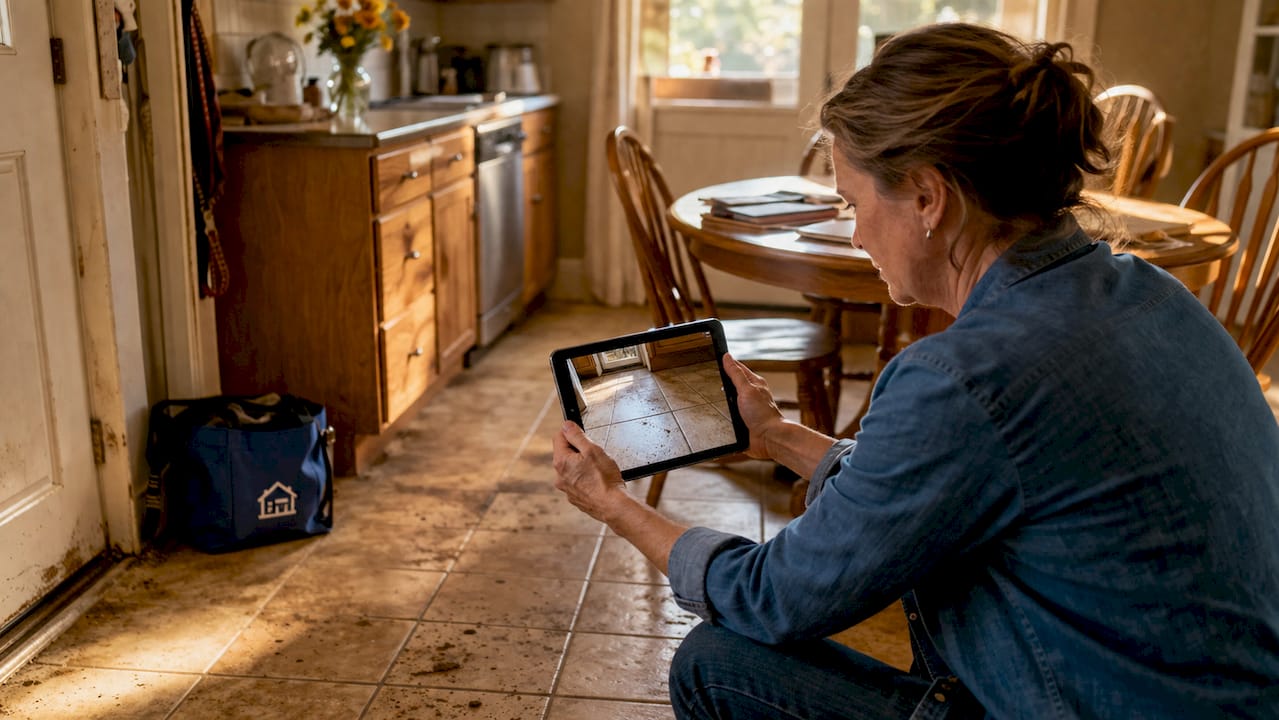
A move-out inspection prevents disputes by replacing subjective claims with documented evidence. When a landlord walks through a unit at the end of a tenancy and compares findings against a move-in checklist, the conversation shifts from “he said, she said” to “here is the photo from day one, and here is the photo from today.” That comparison is the foundation of every fair deposit settlement.
The move-in baseline is not optional. A move-out inspection has no independent authority without a move-in inspection to compare against. This means landlords who skip the move-in documentation are already losing before a dispute begins.
The U.S. Department of Housing and Urban Development (HUD) defines normal wear and tear as the expected deterioration from ordinary use, but state rules vary significantly, which makes clear documentation the only reliable way to defend deductions. A scuff on a baseboard is wear and tear. A hole punched through drywall is damage. Without photos from both inspections, that distinction is impossible to prove.
Key documentation types that support dispute resolution:
- Timestamped photos taken room by room at move-in and move-out
- Signed move-in and move-out checklists completed in the tenant’s presence
- Written notes describing condition, odors, and any pre-existing issues
- Repair invoices tied to specific damage line items
- Itemized deduction statements sent within the state-mandated deadline
Pro Tip: Always photograph appliances, walls, floors, and fixtures from the same angles at move-in and move-out. Side-by-side comparisons are the clearest evidence in any dispute.
Best practices for conducting effective move-out inspections
Timing is the first variable landlords get wrong. Most wait until after the tenant has left, which eliminates the chance for the tenant to fix minor issues before move-out. Scheduling a pre-move-out walkthrough while the tenant is still in possession encourages tenants to repair minor damages themselves, which reduces formal deductions and avoids conflict entirely.
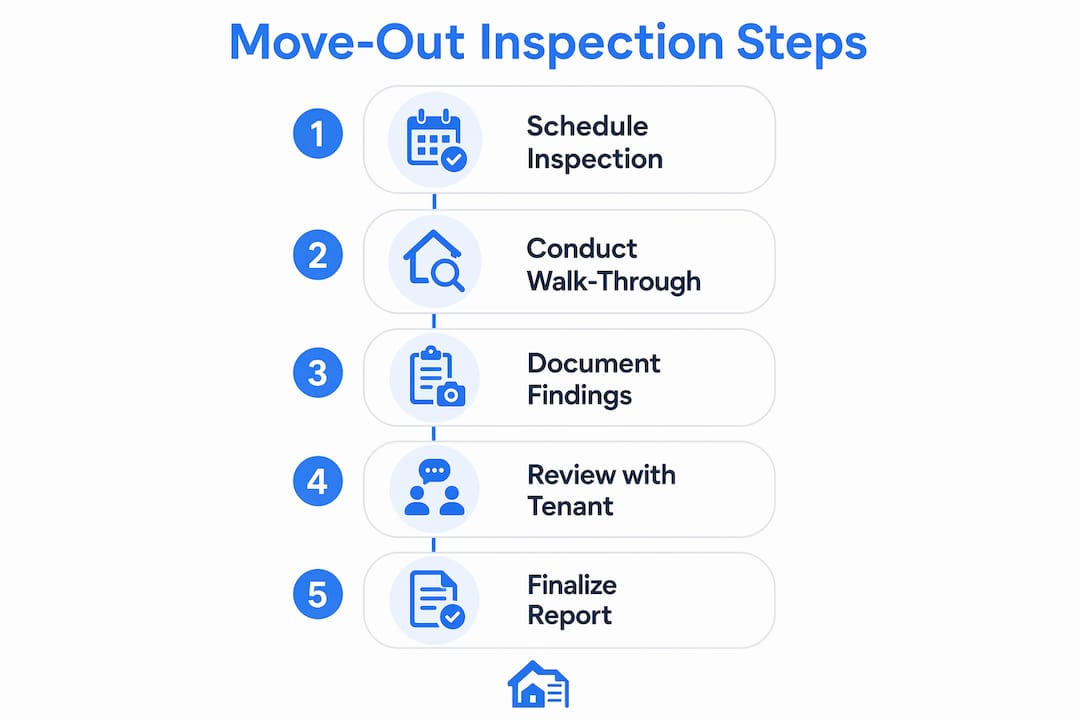
A productive inspection follows this sequence:
- Schedule the pre-move-out walkthrough 1–2 weeks before the lease end date while the tenant still has access.
- Notify the tenant in writing and invite them to attend both the pre-move-out and final inspections.
- Use a room-by-room checklist covering walls, floors, ceilings, windows, doors, appliances, plumbing fixtures, and HVAC filters.
- Photograph every room before and after, using natural light where possible.
- Note the condition of each item as “acceptable,” “normal wear,” or “damage requiring repair.”
- Have the tenant sign the checklist at the final inspection. A signed inspection checklist is significantly harder to dispute in small claims court.
- Send the itemized deduction statement with photos and invoices within the state deadline.
Pro Tip: In Washington state, landlords must provide photographic and invoice evidence for any deposit deductions within 30 days of move-out or risk losing those deductions entirely. Check your state’s specific deadline before the tenant leaves.
The table below shows how inspection timing affects dispute outcomes:
| Inspection approach | Tenant involvement | Dispute likelihood | Documentation strength |
|---|---|---|---|
| Pre-move-out walkthrough + final | Tenant present and signs | Low | High |
| Final inspection only, tenant present | Tenant signs | Moderate | Moderate |
| Final inspection, tenant absent | No signature | High | Low |
| No inspection conducted | None | Very high | None |
Tenant participation is not just a courtesy. It is a legal and practical shield. When tenants see the condition documented in real time, they are far less likely to challenge charges they watched being recorded.

What are the most common move-out inspection disputes?
The most common disputes fall into three categories: disagreements over what counts as damage, challenges to deposit deductions without supporting evidence, and conflicts caused by missing move-in documentation.
Landlords most often lose deposit disputes because they lack move-in documentation or proper photographic evidence from the move-out inspection. A landlord who claims a tenant damaged the carpet but has no photo of the carpet’s condition at move-in has no case. The tenant’s word carries equal weight without that baseline.
Tenants, on the other hand, most often dispute charges that feel vague or unsupported. When a landlord sends a deposit deduction letter with no photos and no invoices, tenants reasonably question whether the charges are legitimate. Transparent sharing of inspection reports with photos reduces disputes by making charges clear and understandable.
“Most disputes are avoided when landlords provide an itemized damage statement backed with photos and repair invoices to the tenant promptly after move-out. The documentation does not just support the claim. It often ends the argument before it starts.”
Practical steps to resolve disputes when they do arise:
- Share the full inspection report with photos immediately after the final walkthrough.
- Reference the move-in checklist side by side with move-out findings in any written communication.
- Respond to tenant objections in writing and attach supporting invoices for each disputed item.
- Offer mediation before either party files in small claims court, since mediation is faster and cheaper for both sides.
- Know your state’s penalty rules. Several states impose double or triple damages on landlords who wrongfully withhold deposits.
Small claims court is the legal backstop for unresolved disputes, but it is rarely necessary when documentation is thorough. Judges in small claims cases consistently favor the party with written records, signed checklists, and dated photos over the party relying on verbal testimony alone.
The financial impact of inspections on landlords and tenants
Poor inspections are expensive. Turnover costs average $2,500 to $4,000 per unit with timelines of 14–30 days. That figure climbs when hidden damages go undetected during a rushed or skipped inspection, because repairs discovered after a new tenant moves in cost more and take longer to fix.
Early detection through a thorough inspection protects both parties financially. For landlords, catching damage before the unit is re-listed means repairs happen on a controlled timeline. For tenants, a pre-move-out walkthrough gives them the chance to fix minor issues themselves rather than paying contractor rates through a deposit deduction.
The financial benefits of a thorough inspection process include:
- Faster unit turnover because repairs are identified and scheduled before the lease ends
- Lower repair costs when damage is caught early rather than discovered by the next tenant
- Reduced legal fees because documented disputes rarely reach court
- Deposit recovery for tenants who address issues flagged in the pre-move-out walkthrough
Skipping or rushing the move-out inspection risks missing hidden damages and extending turnover timelines. A landlord who spends 90 minutes on a thorough inspection protects thousands of dollars in potential repair and legal costs.
Key Takeaways
A thorough move-out inspection, conducted with the tenant present and backed by move-in documentation, is the most reliable way to prevent and resolve security deposit disputes.
| Point | Details |
|---|---|
| Move-in baseline is required | A move-out inspection has no legal weight without a documented move-in condition report to compare against. |
| Tenant presence reduces disputes | A signed checklist completed with the tenant present is significantly harder to challenge in court. |
| Pre-move-out walkthroughs save money | Scheduling an inspection before move-out lets tenants fix minor damage, cutting deduction conflicts and repair costs. |
| Documentation must include photos and invoices | Itemized statements backed by timestamped photos and repair invoices are the standard for defensible deposit deductions. |
| State deadlines are non-negotiable | Missing your state’s deposit return deadline can void legitimate deductions and expose landlords to penalty damages. |
Why I think most landlords misunderstand what an inspection is for
The inspection is not about catching tenants doing something wrong. That framing creates an adversarial dynamic before the walkthrough even starts, and it leads to rushed, one-sided documentation that falls apart in court.
The move-out inspection should be viewed as record creation, not fault-finding. The goal is to produce an objective, contemporaneous record that both parties can reference. When I see landlords treat the inspection as a confrontation, they almost always end up with a tenant who refuses to sign anything, disputes every charge, and files in small claims court out of frustration rather than genuine disagreement.
The landlords who avoid disputes are the ones who invite the tenant to the walkthrough, walk through the move-out documentation checklist together, and explain what they are noting and why. That transparency does not weaken the landlord’s position. It strengthens it, because the tenant cannot later claim they were surprised by the charges.
The move-in inspection is the foundation everything else rests on. Without thorough move-in documentation, landlords cannot effectively prove that damages occurred during the tenancy. Skipping it to save 45 minutes at the start of a lease is one of the most expensive shortcuts in property management.
— Igor
Ready to document your next inspection the right way?
Landlordforms gives landlords managing 1 to 150 units the tools to conduct thorough, defensible inspections without the paperwork headache. The free move-in/move-out checklist template walks you through every room with a structured format designed to hold up in disputes.

The security deposit return letter template generates an itemized deduction statement with space for photo references and repair invoices, meeting the documentation standard required in most states. All templates are available through the free landlord document library and generate a professional PDF in minutes. Landlordforms saves landlords up to eight hours a week on paperwork, so you spend less time on forms and more time managing your properties.
FAQ
What is the purpose of a move-out inspection?
A move-out inspection documents the property’s condition at the end of a tenancy and compares it against the move-in baseline. It is the primary tool for determining fair security deposit deductions and resolving disputes.
Can a landlord deduct from a deposit without a move-out inspection?
Deductions without documented inspection evidence are difficult to defend. Most states require an itemized statement with supporting evidence, and landlords who lack inspection records routinely lose deposit disputes in small claims court.
Does a tenant have the right to attend the move-out inspection?
Most states give tenants the right to be present at the final inspection. Tenant attendance and a signed checklist create the strongest possible record for both parties.
What happens if a landlord misses the deposit return deadline?
Missing the state-mandated deadline, which is 30 days in Washington and varies elsewhere, can void legitimate deductions and expose the landlord to penalty damages in court.
How does a pre-move-out inspection differ from the final inspection?
A pre-move-out inspection happens while the tenant still occupies the unit, giving them time to fix minor issues before the lease ends. The final inspection occurs after the tenant vacates and produces the official condition record used for deposit calculations.