Default to 48 Hours: Defensible Notice to Enter for U.S. Landlords
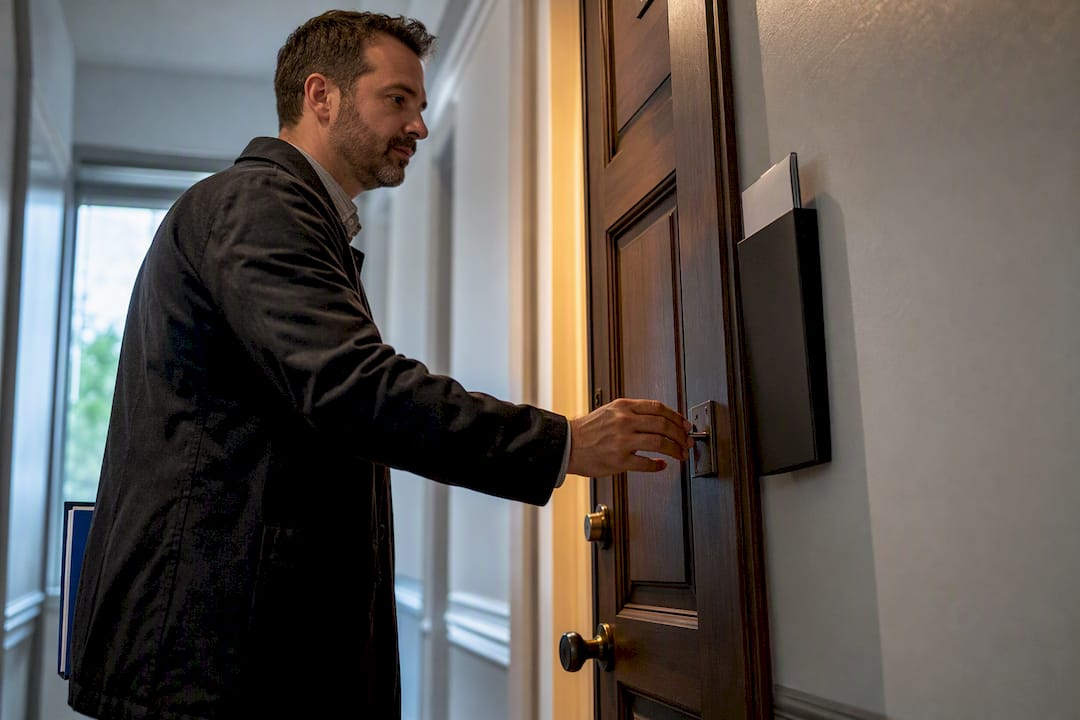
A landlord can only enter a rented home for a legitimate reason, and outside of emergencies, that means giving written notice to enter first. Twenty-four hours is the most common minimum, though some states push that to 48 or 72 hours, and others just say “reasonable notice” and leave it there. The actual number depends on your state’s statute or, where the law is silent, your lease.
TL;DR:
- Most states require at least 24 hours’ written notice for non-emergency entry, with some states demanding 48 or 72 hours, or leaving it to reasonableness.
- Notices must specify a specific date, a narrow time window, the purpose of entry, and who will enter, with delivery methods including personal service, mail, or email if permitted.
- Emergency entries do not require notice, and courts typically accept proper notice as long as it is detailed, delivered in advance, and logged properly.
- Log and document every notice sent to defend against disputes, and use automated templates to ensure notices meet legal standards across different jurisdictions.
- Repeated unlawful entry or skipping required notices exposes landlords to damages, injunctions, and lease termination, emphasizing the importance of compliance.
Table of Contents
- What Does “Notice to Enter” Actually Mean?
- How Much Notice Does a Landlord Actually Need to Give?
- What Has to Be in a Valid Notice, and How Do You Deliver It?
- When Can a Landlord Skip Notice, and What Can a Tenant Do About Improper Entry?
- How Do You Draft a Notice and Lease Clause That Actually Hold Up?
- Tools for Producing Compliant, Defensible Notices
- What Actually Prevents Entry Disputes
- Automate Your Notices Without Losing the Paper Trail
- Sources
- FAQ
What Does “Notice to Enter” Actually Mean?
A lease gives a tenant exclusive possession of the unit. That’s the legal phrase for the simple fact that once you sign a lease, it’s your home, not a property the landlord can wander into whenever they feel like checking on things. The landlord’s right of entry is a narrow, regulated privilege carved out of that possession, not a standing authority to show up.
Landlords generally need a real reason to invoke that privilege. The common ones:
- Repairs or maintenance, whether tenant-requested or routine.
- Inspections tied to lease terms or move-out condition.
- Showings to prospective tenants or buyers.
- Access the tenant has already agreed to, like a scheduled contractor visit.
Notice requirements exist to protect both sides. Tenants get warning before someone enters their space, which is the whole point of “quiet enjoyment.” Landlords, meanwhile, get a lawful path to keep up their end of the maintenance bargain without guessing whether today is a good day to knock.
How Much Notice Does a Landlord Actually Need to Give?
State law splits into roughly four camps, and knowing which one applies to your property changes everything about how you schedule entry.
- Fixed-hour states: A specific number, usually 24, 48, or 72 hours, written into statute.
- Two-day states: A small group requires a full two days regardless of the reason for entry.
- “Reasonable notice” states: The law names no number at all, leaving landlords to argue reasonableness after the fact.
- Lease-controlled states: Statutes are thin or silent, so the lease clause is what actually governs.
Roughly 32 states plus D.C. have entry statutes on the books, and 24 hours is the most common floor among them. California sets that 24-hour standard. Washington requires a longer written notice period than many states. Virginia takes a different approach for routine maintenance the tenant didn’t request, requiring at least 72 hours’ notice. Other states just leave the timing to whatever the lease says.
Pro Tip: If your state’s rule is vague or you’re managing units across more than one state, default to 48 hours. It clears every fixed-hour minimum and gives you a buffer if a tenant disputes the timing.
What Has to Be in a Valid Notice, and How Do You Deliver It?
A notice that just says “we’ll be by sometime this week” won’t hold up if a tenant challenges it. A defensible notice needs specifics, and the clock starts when the tenant actually receives it, not when the landlord typed it up.
- A specific date. Not a range, not “this week.”
- A narrow time window. A two to four hour block is far more defensible than “sometime in the afternoon.”
- The purpose of entry. Repair, inspection, showing, whatever it is, name it.
- Who will enter. The landlord, a specific contractor, a property manager.
- A reference to the governing statute or lease clause, which heads off arguments about authority before they start.
Delivery matters as much as content. Acceptable methods generally include personal service, posting a copy plus mailing it, or certified mail with a return receipt. Email or text can work, but only when the lease or the tenant has agreed to it. The E-SIGN Act preserves the legal validity of electronic records, but that doesn’t automatically make a text message count as proper delivery under your state’s landlord entry notice requirement.
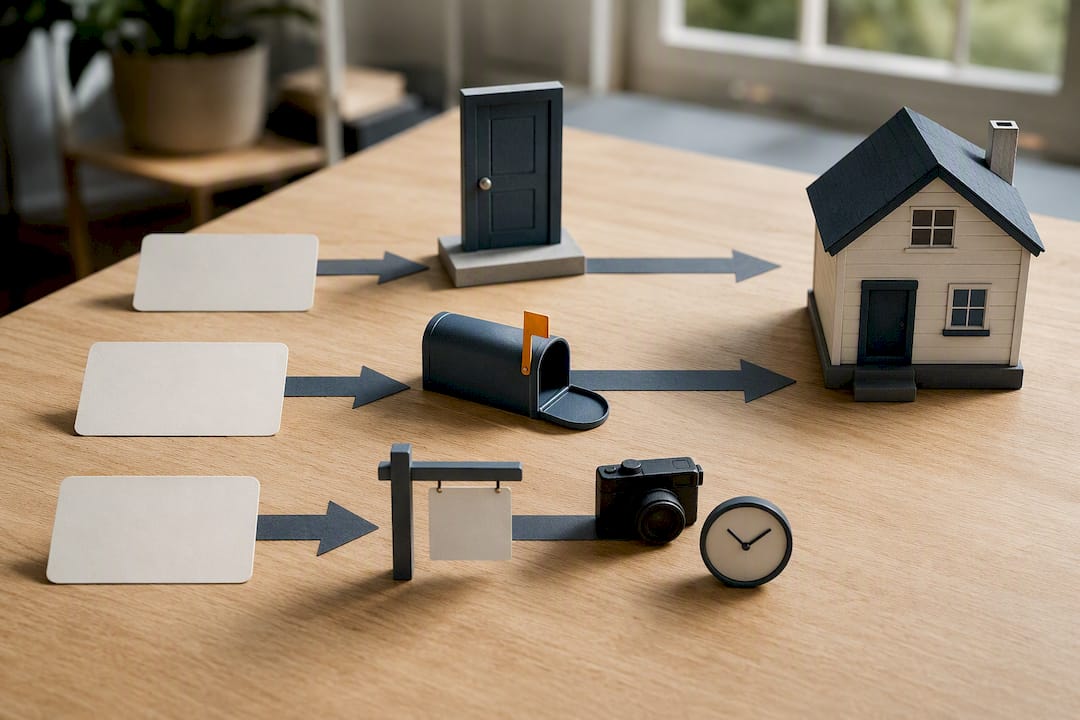
Pro Tip: Keep a simple delivery log: date sent, method, and a timestamped photo of the posted notice if you used that route. It costs you two minutes and can end a dispute before it starts.
When Can a Landlord Skip Notice, and What Can a Tenant Do About Improper Entry?
Every notice rule has exceptions, and they’re narrower than most landlords assume.
- Emergencies. A burst pipe, fire, or gas leak justifies immediate entry with no advance notice required. Some statutes, including Virginia’s, spell out emergency and abandonment carve outs explicitly.
- Abandonment. If a unit appears abandoned, a landlord can typically enter to assess and secure the property, though the legal definition of “abandoned” varies by state.
- Court order. A judge can authorize entry independent of the standard notice rules.
If a tenant refuses proper entry, the landlord’s move is to document the attempt, follow up in writing, and pursue mediation or court only after exhausting the notice requirement, not before. Skipping straight to a lockout or self-help eviction is illegal almost everywhere.
Tenants facing repeated or unlawful entry aren’t without options either. Depending on the state, remedies range from monetary damages to injunctions to lease termination, since courts often treat repeated unauthorized entry as a breach of quiet enjoyment.
How Do You Draft a Notice and Lease Clause That Actually Hold Up?
A single well-built template can flex across every state regime if you build it around the right fields.
- Date and time window sized to your state’s minimum plus a small buffer.
- Purpose of entry, stated plainly rather than generically.
- Identity of who enters, including any third-party contractor.
- Delivery method, chosen to match what your state or lease actually permits.
- Contact information so the tenant can reach someone with questions before the visit.
Your lease clause should mirror this structure. Where a state statute is silent or vague, the lease clause is what actually controls, so spell out the notice period, acceptable delivery methods, and whether email or text requires the tenant’s separate written consent. A template built around date, time window, purpose, who enters, and a delivery record adapts easily whether you’re operating under a 24-hour rule or a 72-hour one.
Pro Tip: Put the electronic-consent language in its own numbered paragraph, not buried in a general notices clause. Tenants read it, and landlords can point to it later.
Tools for Producing Compliant, Defensible Notices
Drafting a fresh notice for every unit gets tedious fast, especially if you manage properties across more than one state. Landlordforms built a notice of entry template and PDF generator specifically to close that gap, with a version tailored to California’s 24-hour standard for landlords operating there.
Automating the notice itself is only half the value. The other half is the paper trail: a timestamped delivery record and photo documentation of a posted notice turn “I sent it” into evidence a court or mediator can actually verify. Landlords managing a handful of units through a full portfolio can generate a state-appropriate notice in minutes instead of rebuilding one from scratch each time.
What Actually Prevents Entry Disputes
Most entry disputes trace back to sloppiness, not bad faith. A landlord skips the written notice, guesses at a time window, or fires off a text without checking whether the lease allows it. None of that requires malice, just a shortcut that catches up with you later.
The habits that hold up: put notice in writing every time, keep the time window narrow enough to be credible, log how and when you delivered it, and be genuinely reasonable about timing, meaning don’t schedule a showing during a tenant’s night shift just because it’s convenient for you.
If you’re a tenant, the mirror image applies. Keep every notice you receive, save delivery receipts or photos, and if entries start feeling like a pattern rather than a one off, contact a local legal aid office before things escalate.
— Igor
Automate Your Notices Without Losing the Paper Trail
Writing a compliant notice by hand every time you need access to a unit eats time you don’t have, and one missed field, like a vague time window or a forgotten delivery method, is exactly what turns a routine repair visit into a dispute. This software is designed to help landlords create compliant notices without redoing legal homework per state.

The entry-notice template and generator walks you through the same fields covered in the drafting checklist above: date, time window, purpose, who’s entering, and delivery method, then produces a document you can hand or mail to a tenant with confidence. Pair it with Landlordforms’s rent ledger template to keep your recordkeeping consistent across notices, payments, and inspection photos in one place. If you’re managing anywhere from a single unit to a full portfolio, start with the free entry-notice generator and see how much time it saves the next time you need access to a tenant’s unit.
This article is general information, not a substitute for advice from a qualified lawyer. Consult a qualified legal professional about your own circumstances before acting on anything here.
Sources
- Landlord Notice of Entry: Requirements, Timing, and Form - LegalClarity
- When Landlords Have a Legal Right of Entry to Rental Units | Justia
- Notice to Enter: Free Landlord Template (2026)
- § 55.1-1229. Access; consent; correction of nonemergency conditions; relocation of tenant; security systems
FAQ
Can a California Landlord Give Free 24-Hour Notice to Enter?
Yes. California treats 24 hours as the presumed reasonable notice for routine entry, and landlords typically don’t need to pay for it, but the notice must still specify a date, time window, and purpose.
What Notice Is Required to Enter a Rental in Washington State?
Washington generally requires two full days of written notice before a landlord can enter for non-emergency reasons, longer than the 24-hour standard many states use.
How Much Notice Do I Need to Give a Tenant Before Entering?
Twenty-four hours covers the most common statutory minimum, but some states require 48 to 72 hours or only “reasonable notice,” so check your specific state statute or lease first.
What Is a Legal Notice of Entry?
A legal notice of entry is a written document telling a tenant a specific date, time window, purpose, and identity of who will enter their rental, delivered far enough in advance to satisfy state law.
What Happens if a Landlord Enters Without Proper Notice?
Depending on the state, tenants may pursue monetary damages, an injunction, or even lease termination if a landlord repeatedly enters without following the required landlord entry notice process.