Tenant Communication Records: Your 2026 Management Guide

TL;DR:
- Maintaining detailed tenant communication records helps landlords protect themselves legally and operationally.
- Organized, timestamped logs reduce disputes, support legal cases, and improve property management efficiency.
Tenant communication records are the documented history of every interaction between a landlord and a tenant. Think maintenance requests, payment discussions, formal notices, complaints, and lease changes. Every one of those exchanges can become evidence if a dispute arises, and without a written record, you are left with your word against theirs.
What you should be capturing in every tenancy file:
- Maintenance requests and your responses, including dates and outcomes
- Rent payment discussions, reminders, and any agreed payment plans
- Formal notices served, with proof of delivery
- Complaints from or about tenants
- Lease changes, pet approvals, and roommate additions
- Move-in and move-out communications
- Written summaries of any verbal conversations or phone calls
The role of tenant communication records goes well beyond filing paperwork. They protect you legally, reduce daily management friction, and give you a clear operational history for every unit you manage.
What are the real benefits of keeping communication records?
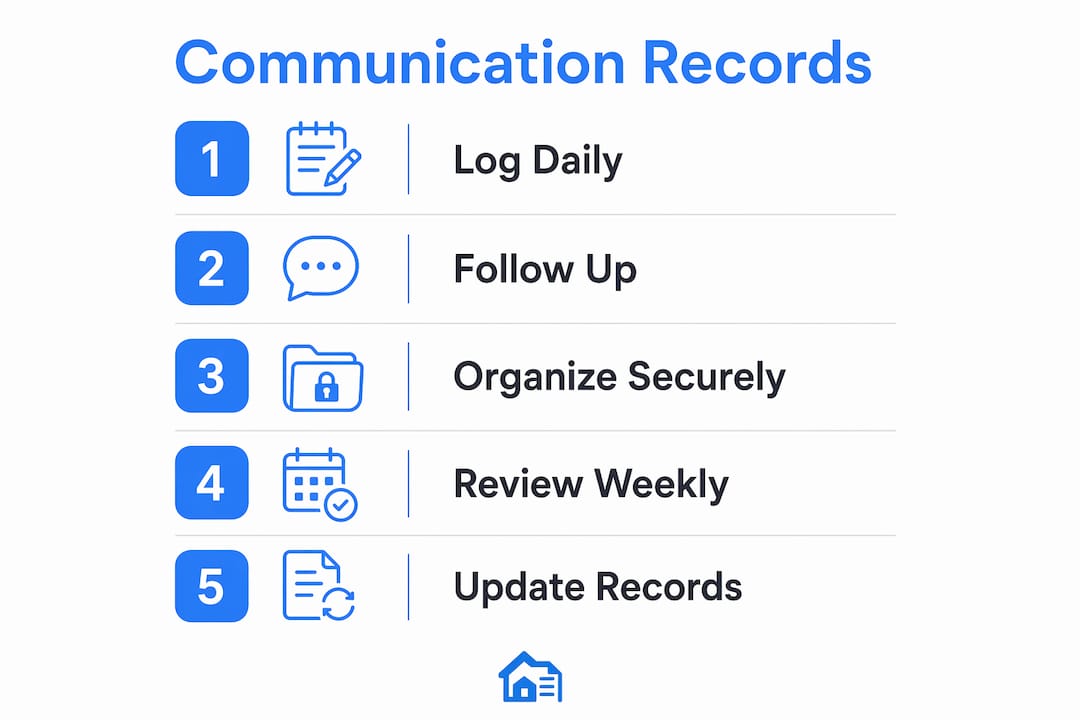
Organized records do more than cover you in court. Predictable communication, where tenants know your response times and preferred channels, reduces repetitive inquiries significantly, cutting management workload in a measurable way. That alone justifies the habit.
Beyond workload, records build trust. Tenants who receive consistent, documented responses feel heard. That translates directly into lease renewals and fewer escalated complaints. Clear records also protect your professional reputation when you hand a property to a letting agent or bring on new staff, because the full context travels with the file.
Key benefits at a glance:
- Dispute prevention: A written record stops most arguments before they start.
- Legal evidence: Timestamped records support eviction cases, deposit claims, and disrepair defenses.
- Issue tracking: Nothing falls through the cracks when every request has a logged outcome.
- Workload reduction: Predictable communication cuts repeat follow-ups from tenants.
- Professionalism: Courts, tribunals, and deposit schemes respond better to landlords with complete files.
How do communication records hold up in legal disputes?
Courts and tribunals do not accept vague recollections. Under the Renters’ Rights Act 2025, every possession claim now requires documented evidence through Section 8 grounds, since no-fault Section 21 evictions no longer exist. Your communication log is the foundation of any possession case involving rent arrears, antisocial behavior, or breach of tenancy.
Not all records carry equal weight. Here is how common communication methods compare:
| Method | Evidence strength |
|---|---|
| Server-timestamped platform (immutable) | Very strong |
| Email with headers | Moderate to strong |
| SMS text message | Moderate |
| WhatsApp / messaging apps | Weak to moderate |
| Phone call (logged) | Weak |
| Verbal / in-person only | Extremely weak |
Screenshots from WhatsApp can be disputed because device-local timestamps are easy to manipulate. Server-side timestamps cannot. Beyond eviction cases, communication records can prove when a repair was reported, demonstrate landlord non-responsiveness, challenge unfair deposit deductions, and support Rent Repayment Order applications. The recommended retention period is at least 6 years after a tenancy ends, matching the limitation period for most housing claims.
Best practices for maintaining tenant communication records
The single most effective change you can make is consolidating everything into one platform. Fragmented records spread across email, WhatsApp, and sticky notes are vulnerable in court because cherry-picked excerpts raise suspicion. A single source of truth with automatic timestamps removes that vulnerability entirely.
Every record entry should include:
- Date and time of the communication
- Channel used (email, phone, portal, in-person)
- Participants (tenant name, your name, any third parties)
- Subject (brief, factual description)
- Content summary (what was said or written, not your interpretation)
- Outcome or action (what was agreed or scheduled)
- Follow-up date if further action is required
Pro Tip: After any phone call or in-person conversation, send a written follow-up immediately. Something like “Following our call today, confirming you agreed to arrange a plumber by Friday” converts a fragile verbal exchange into admissible written evidence. If the other party does not dispute your summary, it carries real evidential value.
Landlordforms supports this workflow by automating document creation and organizing tenant information in one place, reducing the manual effort that causes records to slip through the cracks.
Which digital tools should landlords use in 2026?
Tenants increasingly prefer digital communication channels, favoring text for quick updates and email for formal matters. That preference shapes what tools actually work. A platform that meets both tenant expectations and legal standards needs to offer:
- Server-side timestamps on every message (not device-local)
- Immutable records that neither party can edit or delete after sending
- Searchable archives so you can find past conversations by topic or date
- Evidence export to generate tribunal-ready documents quickly
- Response time tracking to demonstrate you met your obligations
- Delegation support so agents can respond on your behalf with a full audit trail
Centralized digital tenant file management beats scattered channels on every measure. A good audit trail system also supports compliance workflows and makes handing over a property to a new manager far less painful.
Landlordforms automates the creation of notices, receipts, and other forms while keeping tenant information organized in one place, saving landlords substantial time on paperwork.
How to organize and securely store communication records
A clean folder structure prevents the “I know I have it somewhere” problem. Organize records by property address, then by tenant, then by category: maintenance, rent, notices, complaints, and lease changes. Within each category, sort chronologically.
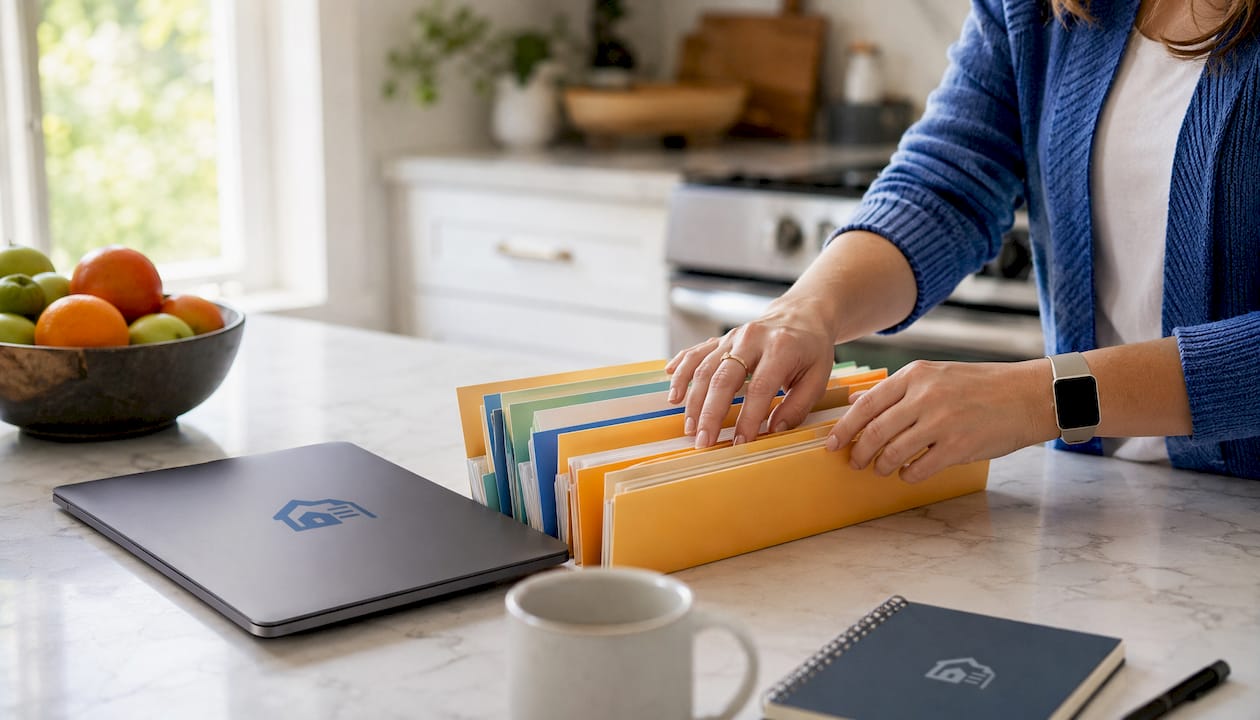
For security, store records in a cloud-based system with access controls so only authorized users can view or export files. Back up locally at least once a month. Digital storage costs almost nothing and makes the 6-year retention requirement easy to meet. If you use a spreadsheet as a communication log, protect it with a password and keep a backup copy off-site.
When and how often should you update your records?
Log every meaningful communication the same day it happens. Waiting even 24 hours introduces memory errors, and a log entry dated three days after the fact looks unreliable in a tribunal. For routine interactions like a quick maintenance acknowledgment, a one-line entry is enough. For anything involving money, repairs, or formal notices, write a full summary with outcome and follow-up date.
Set a weekly review habit. Scan open items, confirm follow-up dates are met, and close out resolved issues with a final note. This keeps the log current and prevents the backlog that makes landlords abandon the habit entirely.
What data privacy rules apply to tenant communication records?
In the United States, the California Consumer Privacy Act (CCPA) gives California residents rights over their personal data, including the right to know what is collected and to request deletion. If you manage properties in California, your communication records fall within its scope. Tenants can request access to the personal information you hold about them.
Practical steps to stay compliant:
- Collect only the communication data you genuinely need for tenancy management.
- Store records on secure, access-controlled platforms, not open shared drives.
- Do not share tenant communication records with third parties without a legitimate reason.
- Have a clear retention and deletion policy: keep records for 6 years after tenancy ends, then delete them.
- If a tenant requests their data, respond within the timeframe your state law requires.
GDPR applies to landlords operating in the UK and EU. The principles overlap with CCPA: lawful basis for processing, data minimization, and the right of access. US landlords with no overseas operations are not subject to GDPR, but following its principles is good practice regardless.
What does an effective communication record template look like?
A simple log table covers most landlords’ needs. One row per communication, with these columns:
| Field | What to record |
|---|---|
| Date | The date the communication occurred |
| Time | Approximate time (useful for same-day disputes) |
| Direction | Inbound (from tenant) or outbound (to tenant) |
| Method | Email, phone, portal, text, in-person |
| Participant | Tenant name, contractor, agent |
| Subject | Brief topic, e.g., “Boiler repair request” |
| Summary | Factual account of what was said or written |
| Outcome | What was agreed or scheduled |
| Follow-up date | When the next action is due |
| Reference | Link to related documents or notices |
Keep entries factual and neutral. “Tenant reported water leak under kitchen sink, photo provided, plumber booked for March 14” is useful. “Tenant complained again about the same thing” is not. Landlordforms offers ready-to-use document templates that give you a professional starting point for logs, notices, and receipts without building formats from scratch.
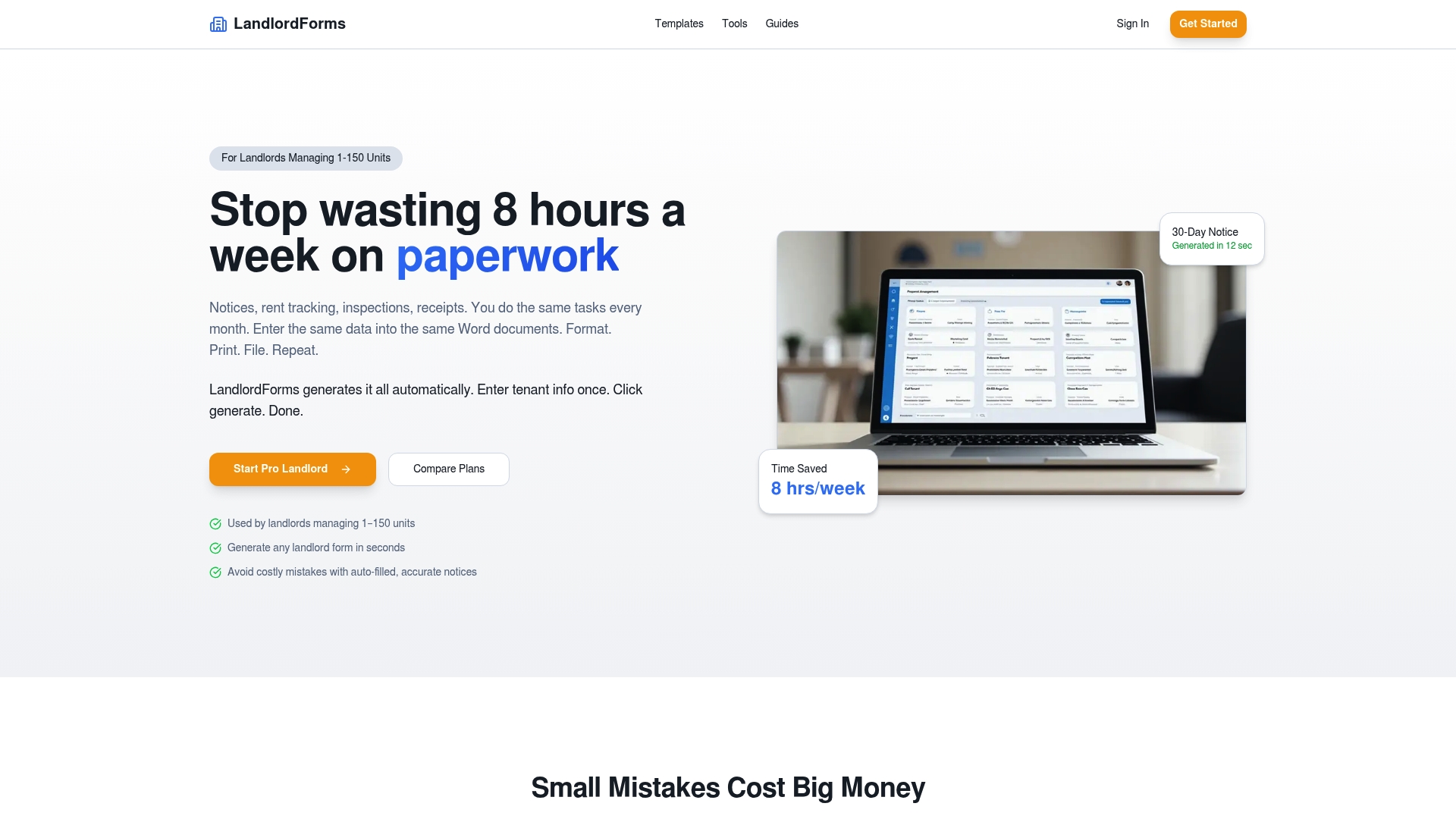
Landlordforms keeps your tenant records organized and your paperwork accurate. From automated notices to a centralized tenant file system, it handles the documentation so you can focus on managing your properties. Start with Landlordforms today and cut up to eight hours of weekly admin.
Key Takeaways
Consistent, timestamped tenant communication records are your strongest protection in disputes and your most practical tool for reducing daily management workload.
| Point | Details |
|---|---|
| Records reduce workload | Predictable communication cuts repetitive tenant inquiries by up to 30%, as tenants make fewer repeat requests when response times and channels are clear. |
| Legal retention minimum | Keep all communication records for several years after a tenancy ends, as recommended by typical limitation periods for housing claims. |
| Server timestamps win | Immutable, server-side records are the strongest evidence in court or tribunal. |
| Log same day | Record every meaningful interaction the day it happens to prevent memory errors. |
| One platform beats many | Centralizing records eliminates fragmented evidence that weakens legal credibility. |
FAQ
What types of tenant communications should landlords record?
Log every interaction that relates to the tenancy: maintenance requests, rent discussions, formal notices, complaints, lease changes, and written summaries of any verbal conversations.
How long should landlords keep tenant communication records?
Keep records for at least 6 years after the tenancy ends, which matches the limitation period for most housing claims.
Are WhatsApp messages reliable evidence in a dispute?
WhatsApp screenshots are considered weak to moderate evidence because device-local timestamps can be manipulated and messages can be deleted. Server-timestamped, immutable records from a dedicated platform carry far stronger evidential weight.
How do communication records support eviction cases?
Under the Renters’ Rights Act 2025, every possession claim requires documented evidence through Section 8 grounds. Your communication log proves notices were served, deadlines were met, and you acted reasonably throughout the tenancy.
Does CCPA apply to landlord-tenant communication records?
Yes, if you manage properties in California. The CCPA gives tenants the right to know what personal data you hold and to request deletion. Store records securely, collect only what you need, and have a clear deletion policy after the 6-year retention period ends.